Delivery
Scope-first
The first release is defined clearly before code moves.
Services
We scope and build custom SaaS products for teams that need a usable first release, clean architecture, strong internal tooling, and a codebase that is ready to extend after launch.
Delivery
Scope-first
The first release is defined clearly before code moves.
Coverage
Full-stack
Frontend, backend, auth, billing, admin tooling, and deployment.
Handover
Clean ownership
Your team gets a maintainable codebase with context, not a black box.
Delivery Proof
The exact brief changes, but these are the commercial outcomes and delivery patterns teams usually want from this category of build.
Typical outcome
The first version is shaped around usable account journeys, recurring product use, and a credible path to growth.
Typical outcome
Admin controls, billing, and role-aware permissions sit alongside the customer-facing product instead of becoming sidecar debt.
Typical outcome
The codebase is handed over in a state that supports iteration, new features, and internal ownership.
Representative build
SaaS web app
A multi-tenant dashboard for a fintech team to track MRR, churn, and cohort performance across thousands of accounts. Custom charting, CSV export, and role-based access.
Commercial model
The first release is defined before build starts, so delivery stays commercially clear.
Engineering span
Frontend, backend, auth, data, and deployment are handled as one build instead of being split across disconnected contractors.
Ownership
The repository, documentation, and deployment context are delivered in a state your team can actually own.
Product operations
Commercial flows and internal control surfaces are scoped as part of the product rather than being bolted on later.
What Is Included
Each build is scoped individually, but these are the main workstreams that typically sit inside this kind of project.
The user-facing SaaS product with the core journeys needed for onboarding, activation, and everyday use.
The application logic, data structure, and service boundaries needed to support the product properly.
The operational pieces that make a SaaS product usable in the real world after launch.
A release-ready package your team can run with once the first version is signed off.
Relevant Work
A few live references from the wider portfolio that are useful when a brief shares this kind of product shape, account model, or workflow. Where available, the cards also link into fuller case-study pages.
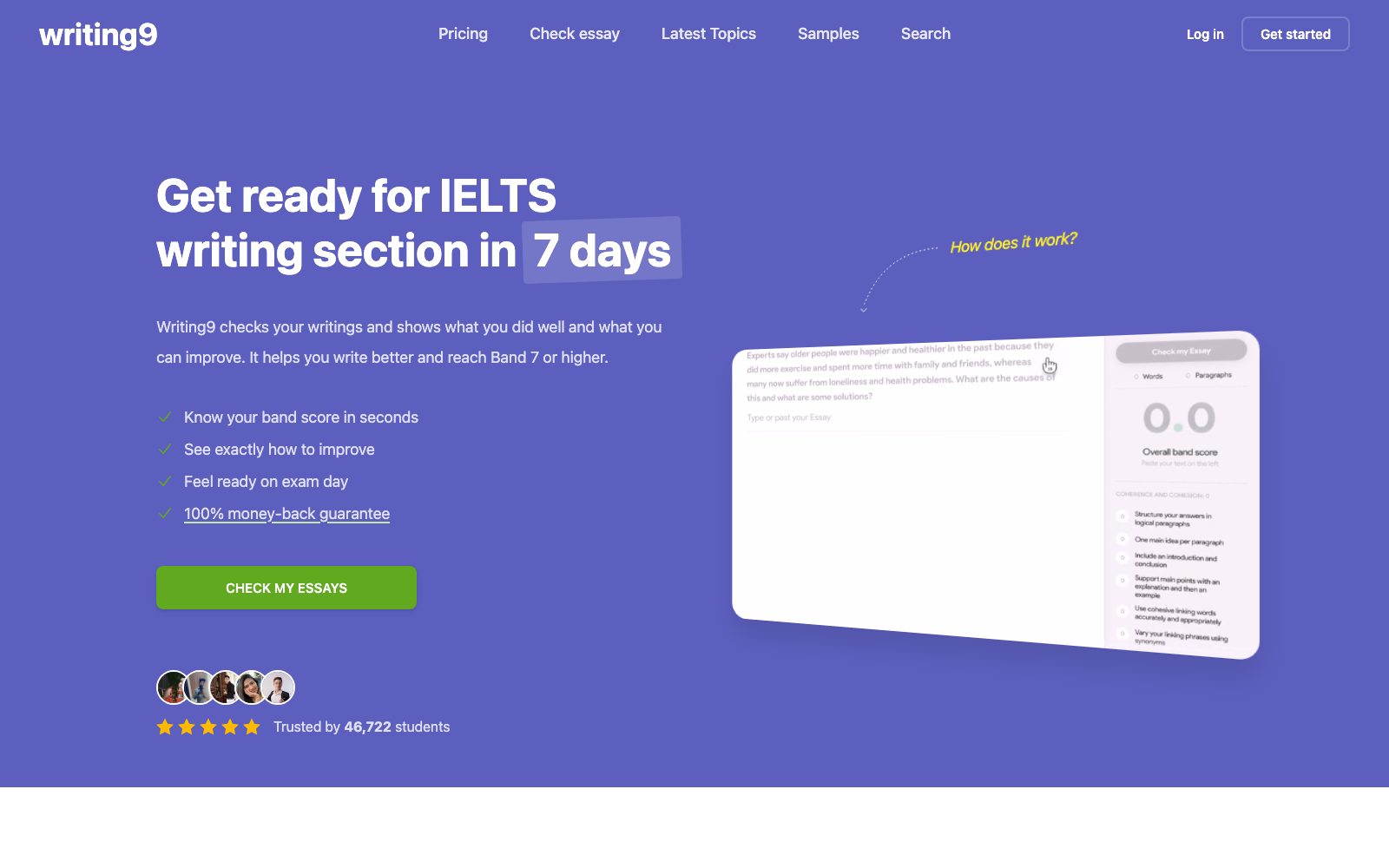
Portfolio example
A useful reference when the brief needs a product people return to repeatedly rather than a one-off marketing surface.
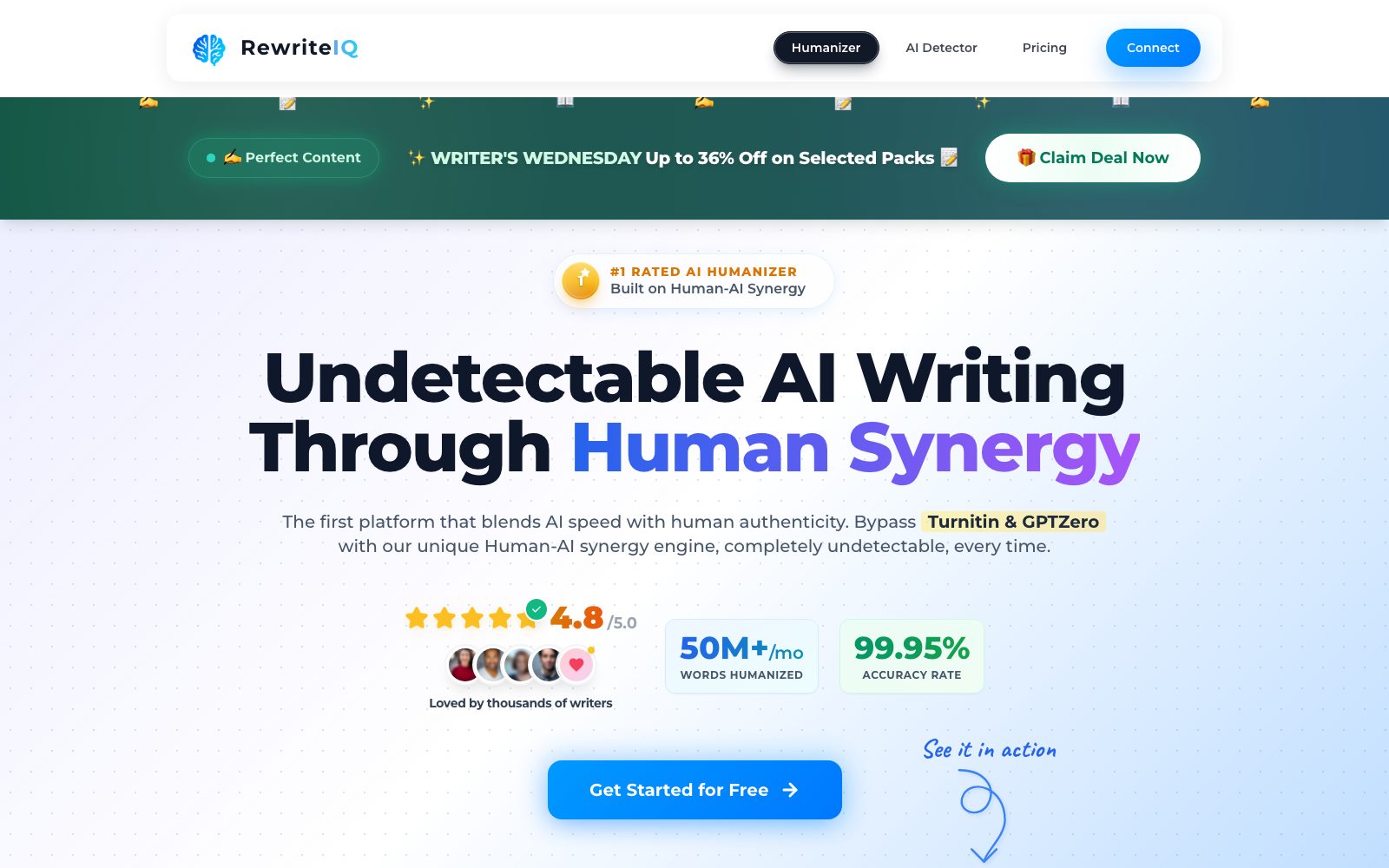
Portfolio example
Relevant for product-led builds where the value sits in a repeatable software workflow rather than brochure pages.
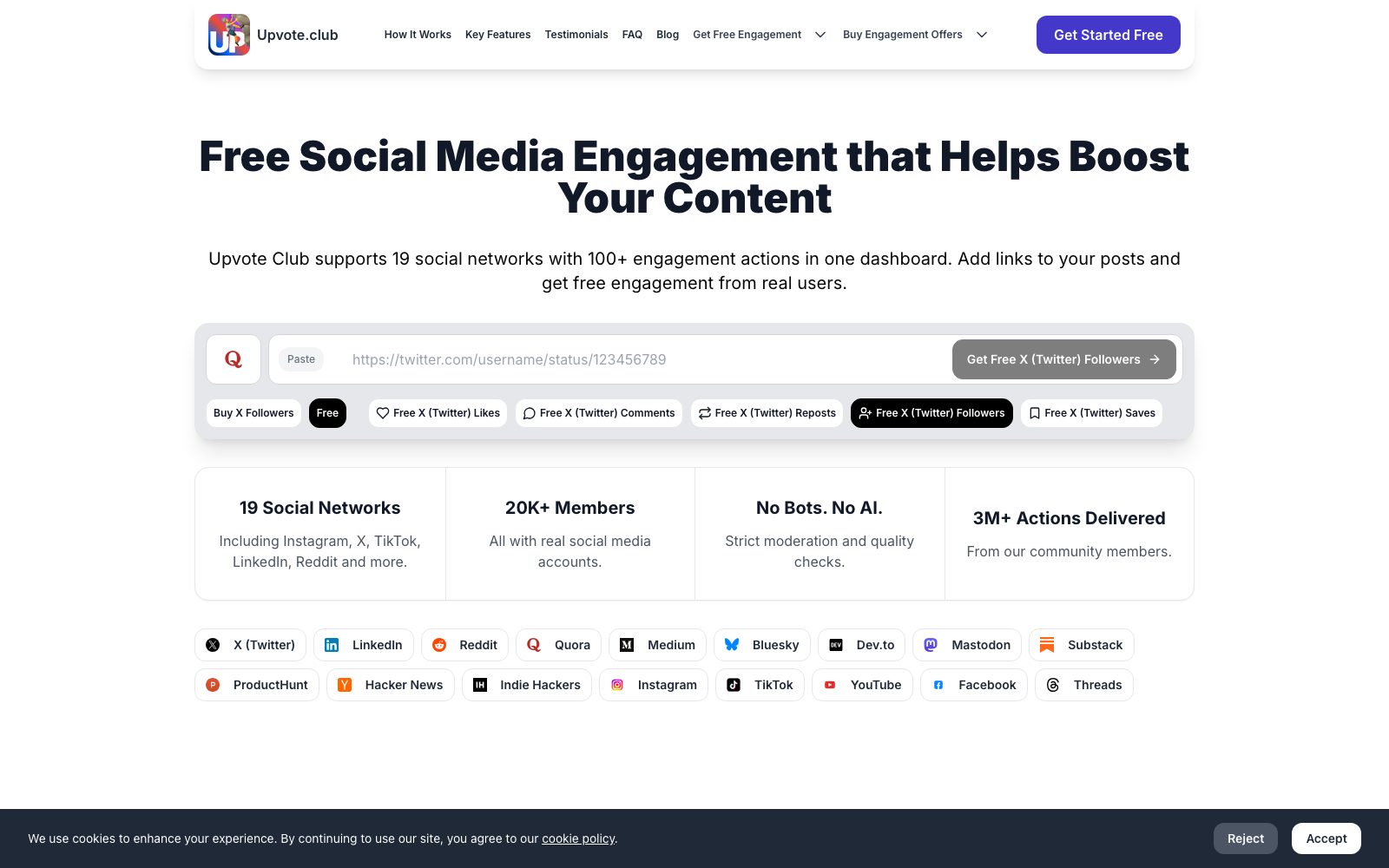
Portfolio example
Helpful when the product needs recurring member activity, account state, and a clean path from launch to retention.
Decision Guides
These pages are designed for the decision stage, when the team is still weighing whether this route is the right one commercially and operationally.
Decision guide
A decision guide for teams weighing a real custom SaaS build against a faster no-code stack, with tradeoffs around complexity, handover, integrations, and long-term cost.
Relevant Guides
A few supporting articles that help teams think through stack choices, scoping decisions, and delivery tradeoffs around this kind of build.
Learn how an AI app developer can help create SaaS for business faster through better scoping, full-stack delivery, visible progress, and production-ready engineering.
Learn why a tailored software build can be a better fit than template platforms when your business needs flexibility, scalability, and a system built around real workflows.
Learn how to choose the right tech stack for a custom product build, from delivery speed and scalability to security, maintainability, and handover.
Best Fit
Typical scenarios where a dedicated build is usually the cleanest route.
You need a production-sensible first release instead of a throwaway prototype.
The product now needs custom permissions, data structure, or workflows that no-code no longer handles well.
You want one coherent product instead of stitching together several unrelated tools.
You expect to keep iterating after launch and do not want technical debt baked into v1.
Questions
Short answers to the main questions teams usually ask about custom saas development.
It covers the product interface, backend logic, auth, data model, admin tooling, deployment setup, and handover planning needed for a production-ready first release.
Yes. We treat the internal operational surface as part of the same system rather than leaving it as a later afterthought.
Yes, where the product needs them. Subscription, payment, and account-management flows can be scoped as part of the build.
Yes, if the MVP still needs real engineering quality and a sensible path to iteration after launch.
Related Services
These are the closely related categories teams usually compare while shaping a custom build.
Secure client portal development for businesses that need account areas, document access, status visibility, support workflows, and subscription management.
API and backend development for custom business logic, integrations, data workflows, service layers, and operational reliability behind the interface.
AI automation development for businesses that need workflow software, AI-assisted tasks, agent-style flows, or manual process reduction with proper engineering underneath.
Next Step
Bring the workflow, product idea, or operational problem. We will shape the first release into something buildable, commercially clear, and ready to hand over cleanly.