Architecture
Maintainable
The backend is scoped to support extension after the first release.
Services
We build backend platforms, service layers, and custom APIs for products that need reliable business logic, clean integrations, structured data, and a maintainable architecture behind the user interface.
Architecture
Maintainable
The backend is scoped to support extension after the first release.
Integration
Connected
Third-party systems, internal services, and operational data can be wired in cleanly.
Reliability
Production-sensible
Auth, permissions, and deployment are treated as part of the build.
Delivery Proof
The exact brief changes, but these are the commercial outcomes and delivery patterns teams usually want from this category of build.
Typical outcome
The system gets a clearer backend contract for validation, permissions, data handling, and business rules.
Typical outcome
CRMs, partner systems, sync flows, and event handling are treated as first-class backend work rather than glue code.
Typical outcome
Product surfaces can move faster when the API layer, data model, and backend architecture are structured properly.
Representative build
API platform
A REST + webhook API powering a marketplace's partner integrations — rate-limited per client, signed payloads, event replay, and a lightweight developer dashboard.
Commercial model
The first release is defined before build starts, so delivery stays commercially clear.
Engineering span
Frontend, backend, auth, data, and deployment are handled as one build instead of being split across disconnected contractors.
Ownership
The repository, documentation, and deployment context are delivered in a state your team can actually own.
Integration layer
Partner systems, internal services, and event flows are designed into the backend surface instead of patched together later.
What Is Included
Each build is scoped individually, but these are the main workstreams that typically sit inside this kind of project.
The backend structure that supports the product or internal system properly.
The interfaces that let frontends, integrations, or partner systems use the backend safely.
The connection points the backend needs to communicate with the wider stack.
A backend setup your team can operate and extend after sign-off.
Relevant Work
A few live references from the wider portfolio that are useful when a brief shares this kind of product shape, account model, or workflow. Where available, the cards also link into fuller case-study pages.
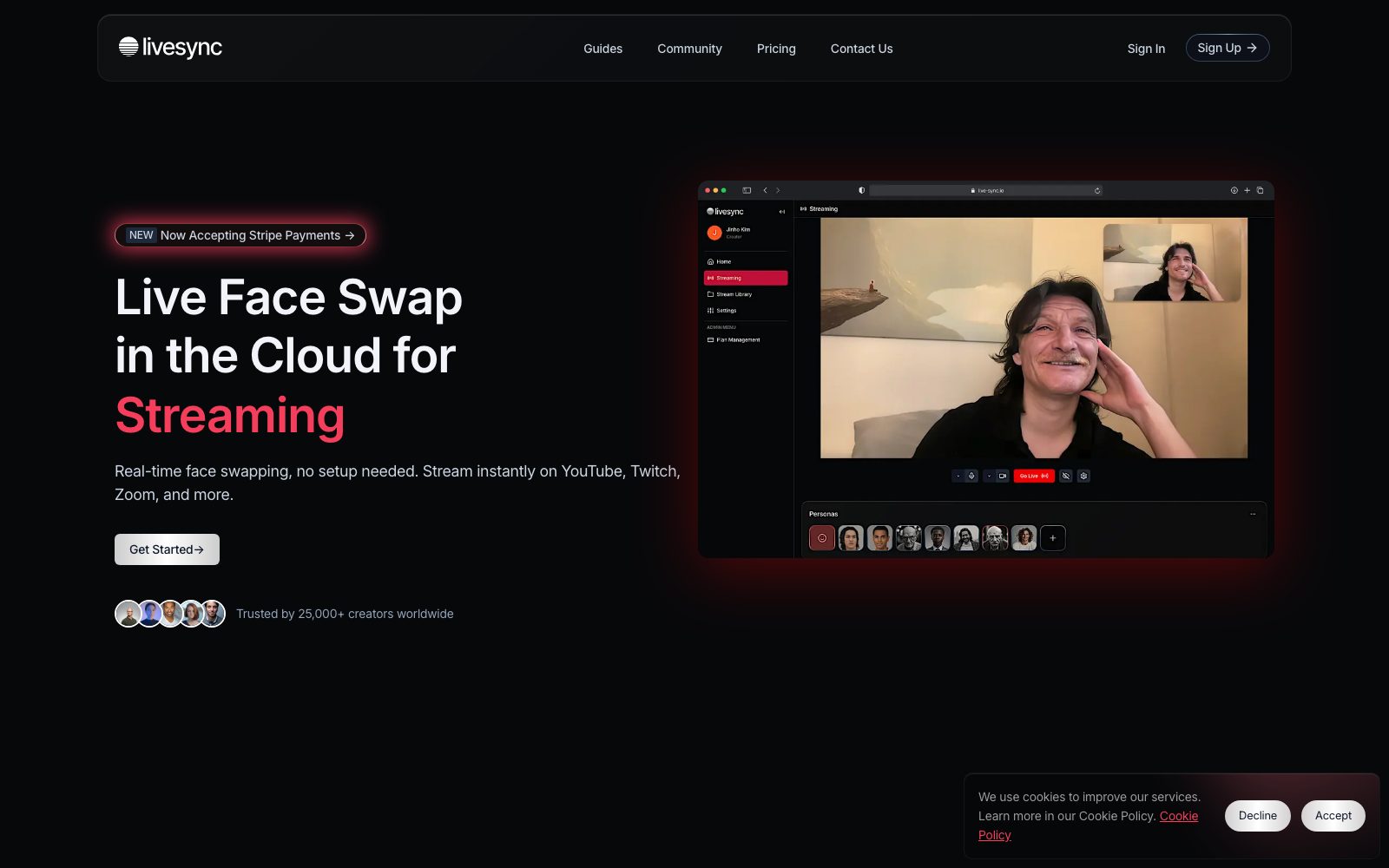
Portfolio example
Relevant when the value sits in syncing data, system coordination, and the service layer behind the interface.
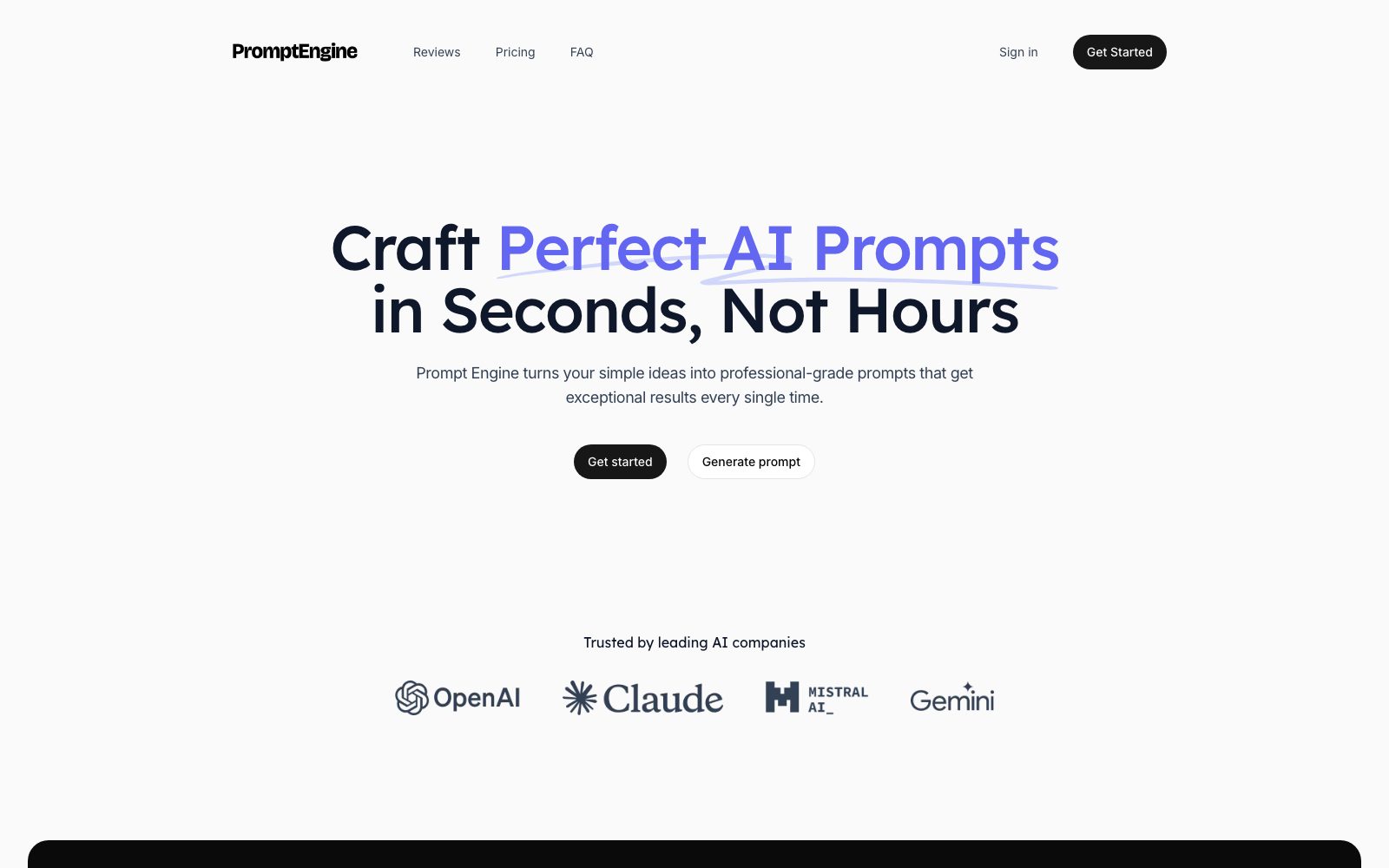
Portfolio example
A useful reference for products where backend orchestration and structured logic carry much of the technical complexity.
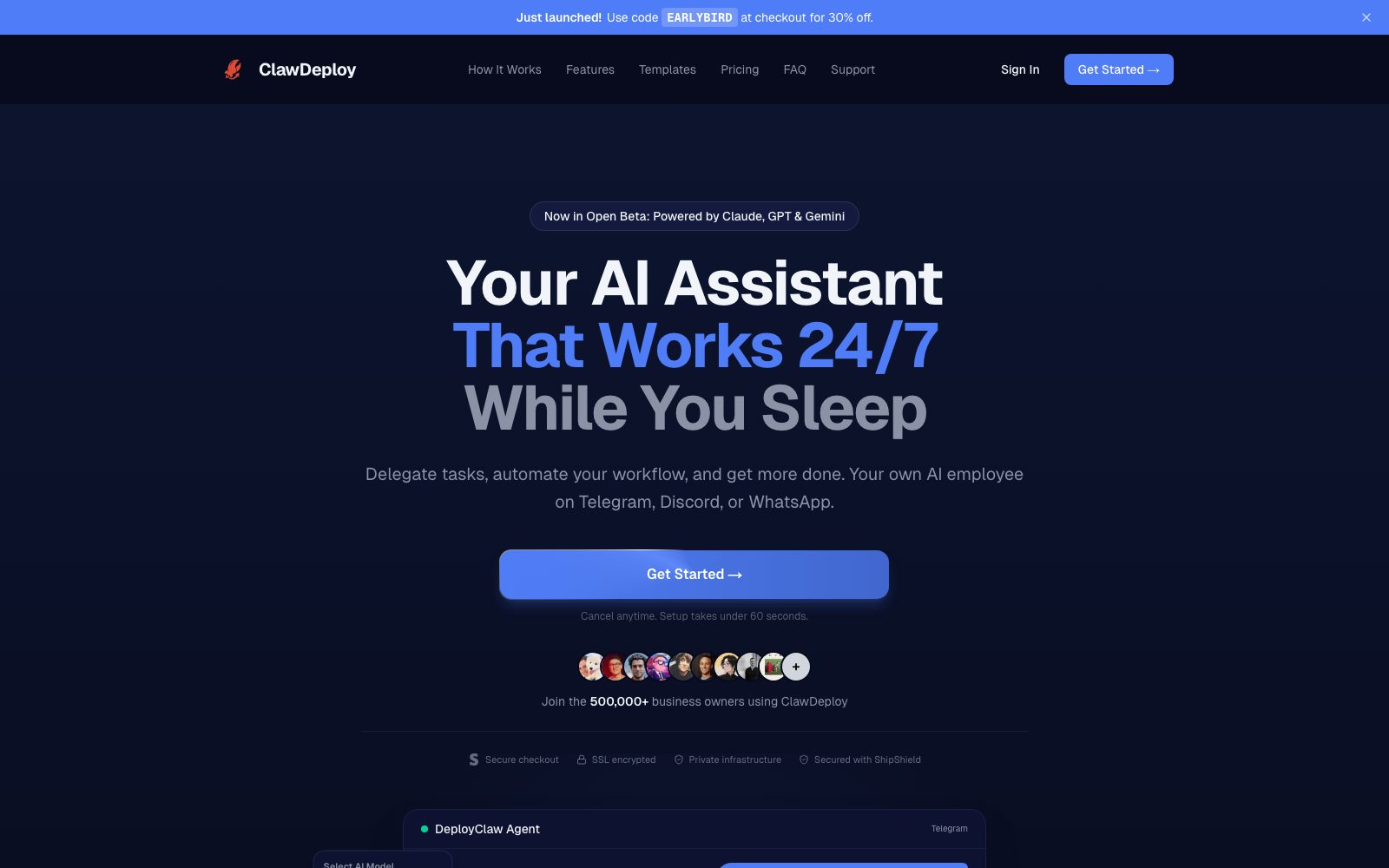
Portfolio example
Helpful when the user experience depends on reliable service logic, controlled actions, and deployment-aware backend work.
Decision Guides
These pages are designed for the decision stage, when the team is still weighing whether this route is the right one commercially and operationally.
Decision guide
A decision guide for teams weighing a real custom SaaS build against a faster no-code stack, with tradeoffs around complexity, handover, integrations, and long-term cost.
Decision guide
A decision guide for businesses comparing a custom client portal against generic portal software, with tradeoffs around workflow fit, permissions, branding, and integrations.
Decision guide
A decision guide for teams deciding whether to keep running a workflow in spreadsheets or replace it with a custom internal tool, with tradeoffs around approvals, auditability, reporting, and automation.
Relevant Guides
A few supporting articles that help teams think through stack choices, scoping decisions, and delivery tradeoffs around this kind of build.
Learn how to choose the right tech stack for a custom product build, from delivery speed and scalability to security, maintainability, and handover.
Learn how to scope a custom software project properly before development starts, with clearer milestones, better delivery planning, and fewer delays once the build begins.
Learn what to look for in a bespoke software development partner, from scoping and technical depth to visibility, security, and clean handover.
Best Fit
Typical scenarios where a dedicated build is usually the cleanest route.
The core value is in the rules, data, or workflow under the interface.
The system has to coordinate across CRMs, finance tools, support systems, or partner platforms.
The current implementation is hard to extend, risky to change, or not structured properly.
You already know the product surface, but the backend needs to be scoped and built correctly.
Questions
Short answers to the main questions teams usually ask about api and backend development.
It typically includes the data model, business logic, auth and permissions, API routes, integrations, deployment setup, and handover documentation.
Yes. Backend-focused work can be scoped independently if the frontend already exists or is being handled separately.
Yes. Integration-heavy backend work is a common use case for this service.
Yes. Internal tools often need just as much backend structure and reliability as customer-facing products.
Related Services
These are the closely related categories teams usually compare while shaping a custom build.
Custom SaaS product builds with clear scoping, role-aware access, billing flows, backend architecture, and clean handover.
Internal tools, admin panels, and workflow systems for teams that need better approvals, reporting, permissions, and operational control.
AI automation development for businesses that need workflow software, AI-assisted tasks, agent-style flows, or manual process reduction with proper engineering underneath.
Next Step
Bring the workflow, product idea, or operational problem. We will shape the first release into something buildable, commercially clear, and ready to hand over cleanly.